
Exploring the intricacies of industrial roofing installation costs, this introduction sets the stage for a comprehensive discussion. From key factors influencing pricing to the types of materials used and labor considerations, this overview provides a holistic view of the financial aspects of industrial roofing projects.
As we delve deeper into the specifics, readers will gain valuable insights into the various elements that contribute to the overall cost of installing industrial roofing systems.
Factors influencing industrial roofing installation cost
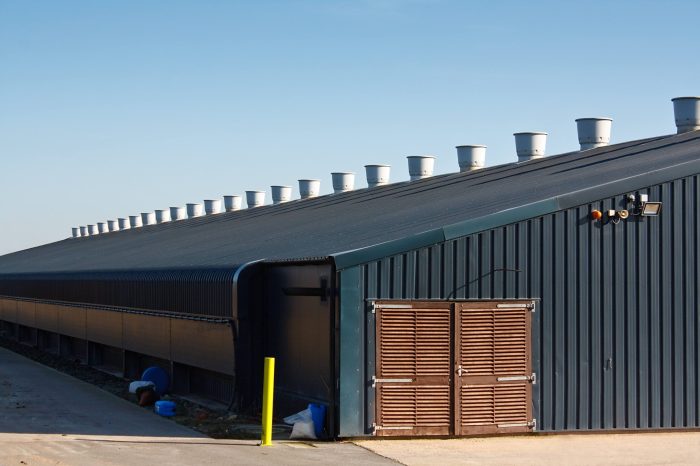
Industrial roofing installation costs can vary significantly based on various factors that impact the overall project expenses. Understanding these key factors is essential for accurate budgeting and planning.
Materials
The type and quality of materials used for industrial roofing can greatly influence the installation cost. For example, opting for premium materials like metal or PVC roofing will typically incur higher expenses compared to more basic options like asphalt shingles.
Labor
Labor costs play a crucial role in determining the total installation cost. Skilled labor for complex roofing designs or specialized installations may come at a higher price point than standard roofing projects. Additionally, factors like labor availability and demand in a specific location can also impact costs.
Location
The geographical location of the industrial building can affect installation costs due to varying labor rates, material availability, and local building codes. Remote areas or regions with harsh weather conditions may require additional logistical planning and resources, resulting in higher expenses.
Size
The size of the industrial roofing project directly correlates with the overall cost. Larger roofs will require more materials, labor, and time for installation, leading to higher expenses compared to smaller roofing projects.
Complexity of Roof Design
Roof designs that are intricate or unconventional can significantly impact installation costs. Features like multiple levels, unique shapes, or special requirements for ventilation and insulation can add complexity to the project, resulting in increased expenses.
Types of industrial roofing materials and their cost implications
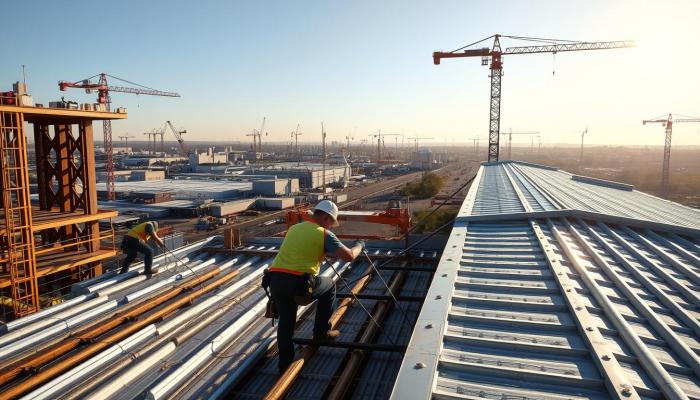
Choosing the right industrial roofing material is crucial as it not only impacts the initial installation cost but also influences long-term maintenance expenses. Let's explore the different types of materials used in industrial roofing installations and their cost implications.
Metal Roofing
Metal roofing is a popular choice for industrial buildings due to its durability and longevity. While the initial cost of metal roofing may be higher compared to other materials, it offers excellent resistance to elements and requires minimal maintenance over its lifespan.
Additionally, metal roofs are energy-efficient, helping reduce heating and cooling costs in the long run.
TPO Roofing
Thermoplastic Polyolefin (TPO) roofing is another cost-effective option for industrial buildings. TPO roofs are known for their energy efficiency, as they reflect sunlight and reduce cooling costs. The initial cost of TPO roofing is moderate, making it a budget-friendly choice for industrial facilities.
However, TPO roofs may require more frequent maintenance compared to metal roofs.
EPDM Roofing
Ethylene Propylene Diene Monomer (EPDM) roofing is a synthetic rubber material commonly used in industrial roofing. EPDM roofs are durable, weather-resistant, and cost-effective. The initial cost of EPDM roofing is lower than metal or TPO roofs, making it an attractive option for budget-conscious industrial building owners.
However, EPDM roofs may have a shorter lifespan compared to metal roofs.
PVC Roofing
Polyvinyl Chloride (PVC) roofing is known for its durability and resistance to chemicals and fire. PVC roofs offer excellent waterproofing properties and are low-maintenance, reducing long-term upkeep costs. The initial cost of PVC roofing falls between metal and TPO roofs, making it a versatile choice for industrial buildings looking for a balance between cost and performance.
Labor costs and considerations in industrial roofing installation
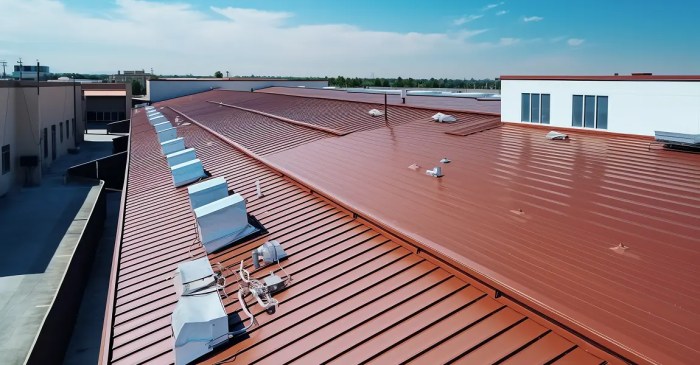
Labor costs play a significant role in determining the overall cost of industrial roofing installation projects. It is essential to understand how these costs are calculated and the factors that influence them
Experienced workers are more efficient and can complete the project in a timely manner, reducing labor costs.
Importance of skilled labor
Skilled labor is essential for ensuring the proper installation of industrial roofing materials. Roofing contractors with experienced workers can complete the job efficiently, reducing labor costs associated with delays or mistakes. Additionally, skilled laborers can provide high-quality workmanship, ensuring the longevity and durability of the roof.
Labor efficiency and experience
Efficient and experienced labor can significantly impact project timelines and costs. Workers who are familiar with industrial roofing materials and installation techniques can work more quickly and effectively, reducing the overall labor hours required for the project. This efficiency translates to cost savings for the client, making skilled labor a valuable investment in industrial roofing projects.
Additional costs and factors to consider

When it comes to industrial roofing installations, there are additional costs and factors beyond just materials and labor that need to be taken into account. These can significantly impact the overall budget and should not be overlooked.
Permits and Regulations
Obtaining the necessary permits and ensuring compliance with local building codes and regulations is crucial for any roofing project. Permit fees can vary depending on the location and the scope of the work. Failure to acquire the proper permits can result in fines or even project delays, adding to the overall cost.
Equipment Rentals
In some cases, specialized equipment may be required for industrial roofing installations, such as cranes or lifts for accessing tall buildings. Renting this equipment can add to the total cost of the project. It's important to factor in these expenses when budgeting for the installation.
Disposal Fees
During the roofing installation process, old roofing materials will need to be removed and disposed of properly. Disposal fees for these materials can vary depending on the type and quantity of waste. It's essential to include these costs in the budget to avoid any surprises later on.
Unforeseen Expenses
Despite careful planning, unforeseen expenses can still arise during industrial roofing installations. This can include unexpected repairs, additional materials needed, or changes in project scope. Having a contingency fund set aside can help mitigate these unforeseen costs and ensure the project stays on track.
Roof Accessibility and Safety Requirements
The accessibility of the roof and any safety requirements that need to be met can also impact the overall cost of the installation. For example, if the roof is difficult to access or requires additional safety measures, such as scaffolding or harness systems, these expenses will need to be factored into the budget.Overall, considering these additional costs and factors when planning for an industrial roofing installation can help ensure a smooth and successful project without any budgetary surprises.
Closure
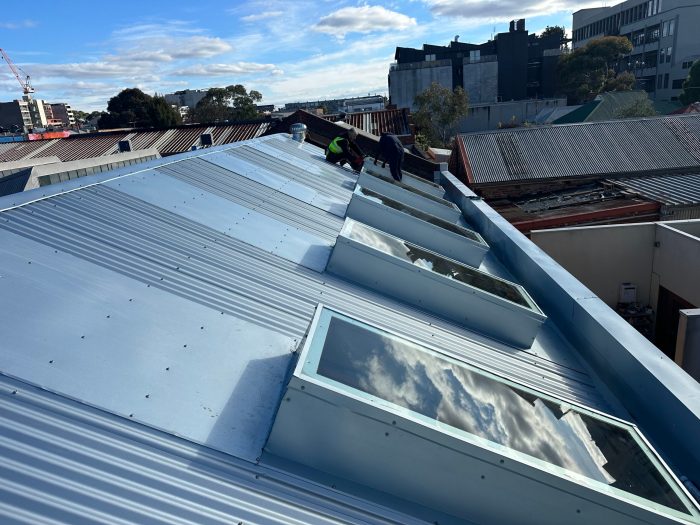
In conclusion, understanding the nuances of industrial roofing installation costs is essential for making informed decisions. By considering factors like materials, labor, and additional expenses, businesses can better plan and budget for their roofing projects. The complexities of roof design and material choices underscore the importance of thorough cost analysis in ensuring successful outcomes for industrial roofing installations.
Popular Questions
What are the key factors influencing industrial roofing installation cost?
The key factors include materials, labor, location, size, and the complexity of the roof design.
What are the cost implications of different industrial roofing materials?
Materials like metal, TPO, EPDM, and PVC vary in initial cost and long-term maintenance expenses.
How are labor costs calculated in industrial roofing projects?
Labor costs depend on factors like skilled labor, efficiency, experience, and project timelines.
What are some additional costs to consider in industrial roofing installations?
Additional costs may include permits, equipment rentals, disposal fees, and unforeseen expenses related to roof accessibility and safety requirements.