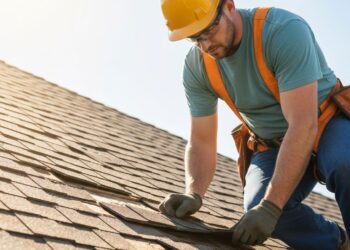

Exploring the world of roof maintenance and inspection costs, this article delves into the various factors influencing expenses, types of services available, cost comparisons between DIY and professional services, and cost-effective strategies to keep your roof in top shape. Read on to discover how you can save money while ensuring the longevity of your roof.
Factors influencing roof maintenance and inspection cost
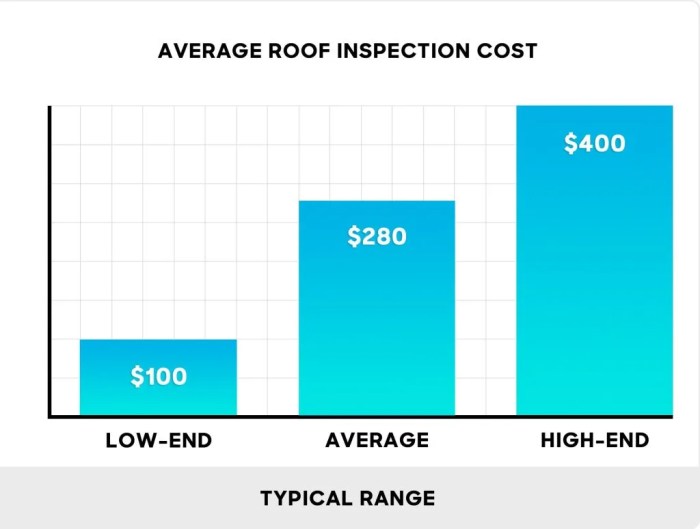
Roof maintenance and inspection costs can vary based on several key factors. Understanding these factors can help homeowners budget and plan for the upkeep of their roofs.
Size and type of the roof
The size and type of the roof are significant factors that influence maintenance and inspection costs. Larger roofs generally require more materials and labor to inspect and maintain, leading to higher overall costs. Additionally, the complexity of the roof's design and materials can impact the difficulty of maintenance tasks, further affecting the cost.
Roof's age and condition
The age and condition of the roof play a crucial role in determining inspection expenses. Older roofs may require more frequent inspections and repairs due to wear and tear, potentially increasing maintenance costs over time. A well-maintained roof in good condition may have lower inspection costs compared to a roof that has been neglected and is in need of significant repairs.
Types of roof maintenance and inspection services
Regular maintenance and inspections are crucial for ensuring the longevity and performance of your roof. There are various types of maintenance and inspection services available, each serving a specific purpose in keeping your roof in top condition.
Routine Maintenance
Routine maintenance involves basic tasks such as cleaning gutters, removing debris, and checking for signs of damage or wear. This type of maintenance is typically done on a regular schedule, such as annually or semi-annually, to prevent minor issues from turning into major problems.
The cost of routine maintenance is relatively low compared to extensive repairs, making it a cost-effective way to prolong the life of your roof.
Extensive Repairs
Extensive repairs are necessary when significant damage or deterioration is present on the roof. This may include replacing missing shingles, repairing leaks, or addressing structural issues. The cost of extensive repairs can be substantial, especially if the damage has been neglected for an extended period.
By performing routine maintenance and inspections, you can minimize the need for extensive repairs and save money in the long run.
Importance of Regular Inspections
Regular inspections are essential for identifying potential issues early on and addressing them before they escalate. By catching problems in their early stages, you can prevent costly repairs down the line. Inspections can also help ensure that your roof is in compliance with building codes and regulations, which is important for the safety and integrity of your property.
Investing in regular inspections may seem like an added expense, but it can actually save you money in the long term by preventing major issues that could result in extensive repairs.
Cost comparison: DIY vs. Professional roof maintenance
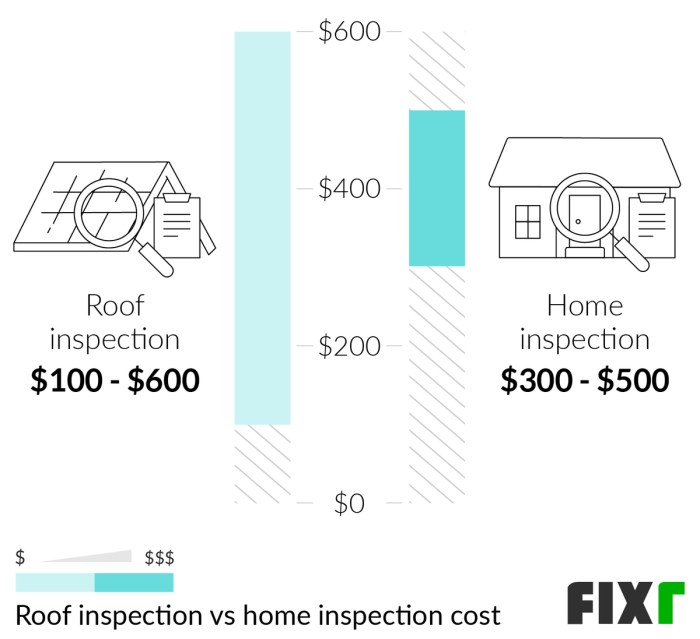
When it comes to roof maintenance, one of the decisions that homeowners often face is whether to tackle the task themselves or hire professional services. Each option comes with its own set of costs, risks, and benefits that should be carefully considered before making a choice.DIY Roof Maintenance:
DIY Roof Maintenance
- Costs: DIY roof maintenance typically involves purchasing tools, materials, and safety equipment, which can add up depending on the extent of the maintenance needed.
- Risks: DIY efforts may not always result in a thorough inspection or proper maintenance, leading to potential issues being overlooked and costing more in the long run.
- Benefits: By doing it yourself, you can save on labor costs and have more control over the process, especially if you have experience with roof maintenance.
Professional Roof Maintenance:
Professional Roof Maintenance
- Costs: Hiring professional roof maintenance services may come at a higher initial cost, but it often guarantees a thorough inspection and quality maintenance that can prevent costly repairs in the future.
- Risks: There is a risk of hiring unreliable or inexperienced professionals, which can result in subpar maintenance and additional expenses down the line.
- Benefits: Professional services can provide expertise, efficiency, and warranties that offer peace of mind and long-term protection for your roof.
In conclusion, the cost-effectiveness of DIY roof maintenance versus hiring professional services depends on factors such as your skill level, the complexity of the maintenance required, and your budget. While DIY may seem more affordable upfront, it's essential to weigh the risks and benefits to make an informed decision that will ultimately save you money and protect the integrity of your roof in the long term.
Cost-effective strategies for roof maintenance and inspection
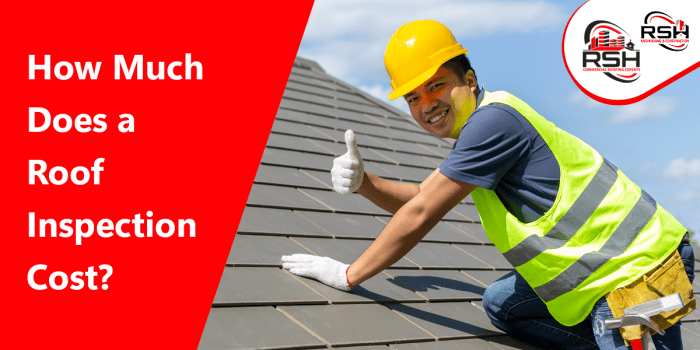
When it comes to maintaining and inspecting your roof, there are several cost-effective strategies that homeowners can implement to ensure the longevity of their roofs without breaking the bank. By being proactive and taking preventive measures, you can minimize long-term expenses and avoid costly repairs down the line.
Regular Inspections and Maintenance
- Regularly inspect your roof for any signs of damage, such as missing shingles, leaks, or sagging areas. Addressing these issues promptly can prevent them from escalating into more significant problems.
- Perform routine maintenance tasks like cleaning gutters, trimming overhanging branches, and removing debris to prevent water buildup and potential damage to your roof.
- Consider investing in a roof maintenance plan with a professional roofing company to ensure your roof receives regular check-ups and necessary repairs at a discounted rate.
Use Quality Materials
- Opt for high-quality roofing materials that are durable and long-lasting. While they may have a higher upfront cost, they can save you money in the long run by reducing the need for frequent repairs and replacements.
- Choose materials that are energy-efficient to lower your utility bills and decrease the strain on your roof, extending its lifespan.
DIY vs. Professional Services
- For minor repairs and maintenance tasks, consider tackling them yourself to save on labor costs. However, be cautious and know your limits to avoid causing more harm than good.
- When it comes to more complex issues or full roof inspections, it's best to hire a professional roofing contractor. While this may come with a higher initial cost, their expertise can prevent costly mistakes and ensure the job is done correctly.
Final Review
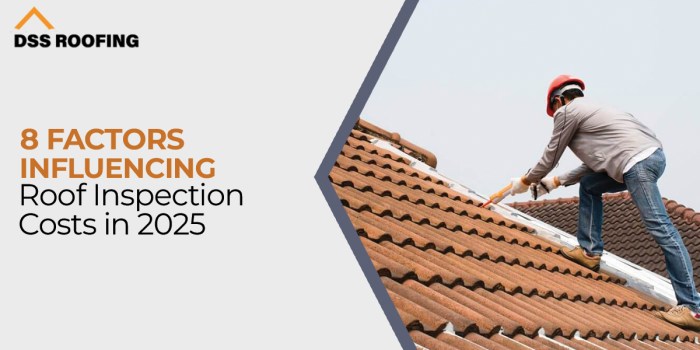
In conclusion, managing roof maintenance and inspection costs effectively is essential for preserving the structural integrity of your home. By understanding the factors at play and implementing cost-effective strategies, you can save money in the long run and avoid costly repairs.
Stay proactive in caring for your roof to reap the benefits of a well-maintained and durable structure.
Frequently Asked Questions
How does the size of the roof impact maintenance costs?
The larger the roof, the more materials and labor are required for maintenance, resulting in higher costs.
What are some DIY tips for reducing roof maintenance expenses?
Regularly clean gutters, trim overhanging branches, and inspect for any damage to address issues early on.
Why are regular inspections important for long-term cost savings?
Regular inspections can catch minor issues before they escalate into major problems, saving you money on extensive repairs.