
Industrial roof installation financing opens the door to a world of possibilities, allowing businesses to invest in their infrastructure without breaking the bank. In this comprehensive guide, we delve into the nuances of financing options for industrial roof installations, shedding light on key benefits and common models used in the industry.
Understanding Industrial Roof Installation Financing

Industrial roof installation financing refers to the various financial options available to businesses looking to install a new roof or replace an existing one on their industrial property. This type of financing helps businesses manage the upfront costs associated with such projects and allows them to spread out the payments over time.
Key Benefits of Financing Options
- Flexible Payment Plans: Financing options provide businesses with flexibility in structuring their payments, making it easier to manage cash flow.
- Preservation of Capital: Financing allows businesses to preserve their capital for other operational needs or investments, rather than tying it up in a large upfront payment for a roof installation.
- Tax Benefits: In some cases, the interest paid on financing for roof installations may be tax-deductible, providing potential tax benefits for businesses.
- Improved Asset Value: A new roof can improve the overall value of an industrial property, enhancing its marketability and potentially increasing its resale value.
Common Financing Models
Roofing Financing Models:
- Loan Financing: Businesses can take out a loan from a financial institution to cover the costs of roof installation, repaying the loan over time with interest.
- Lease Financing: Businesses can enter into a lease agreement for the roof installation, making regular payments over a set period of time to use the roof without owning it outright.
- Revolving Line of Credit: Businesses can establish a revolving line of credit with a lender, allowing them to borrow funds as needed for the roof installation and repay the amount borrowed over time.
- Vendor Financing: Some roofing companies offer financing options directly to their customers, allowing businesses to finance the roof installation through the roofing contractor.
Factors to Consider When Financing Industrial Roof Installation
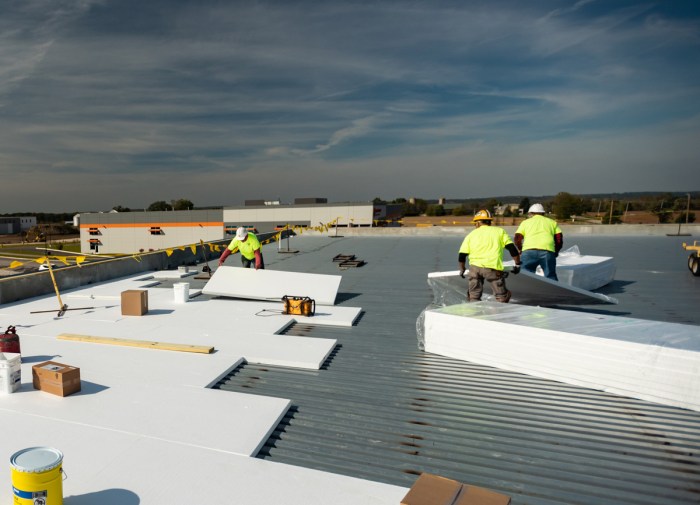
When it comes to financing industrial roof installation, there are several key factors that need to be taken into consideration to ensure a successful and cost-effective project. From credit scores to interest rates, understanding these factors can help you make informed decisions throughout the financing process.
The Importance of Credit Score in Securing Financing
Your credit score plays a crucial role in determining your eligibility for financing industrial roof installations. Lenders will assess your creditworthiness based on your credit score, which reflects your history of managing debts and payments. A higher credit score typically means better financing terms, such as lower interest rates and higher loan amounts.
It is essential to maintain a good credit score to increase your chances of securing favorable financing options for your industrial roof project.
Comparing Different Financing Terms and Interest Rates
When exploring financing options for industrial roof installations, it is important to compare the different terms and interest rates offered by various lenders. Some lenders may provide fixed-rate loans, while others offer variable-rate loans. Fixed-rate loans have a consistent interest rate throughout the loan term, providing predictability in your monthly payments.
On the other hand, variable-rate loans may start with lower interest rates but can fluctuate based on market conditions. Consider your financial goals and risk tolerance when choosing between fixed and variable-rate loans for your industrial roof project.
Evaluating the Total Cost of Financing Options
In addition to interest rates, it is crucial to evaluate the total cost of financing options for industrial roof installations. Look beyond the interest rate and consider other fees, such as origination fees, closing costs, and prepayment penalties. These additional costs can significantly impact the overall cost of your loan.
Calculate the total amount you will pay over the loan term to determine the most cost-effective financing option for your industrial roof project. By comparing the total costs of different financing options, you can make an informed decision that aligns with your budget and financial objectives.
Types of Financing Sources for Industrial Roof Installation
When it comes to financing industrial roof installation projects, there are various sources available to consider. These sources can range from traditional options like banks and credit unions to alternative financing solutions such as roofing company financing programs and government grants.
Traditional Financing Sources
- Banks: Banks offer loans for industrial roof installation projects, typically with competitive interest rates and flexible repayment terms. However, the approval process may be stringent, requiring a good credit score and collateral.
- Credit Unions: Credit unions operate similarly to banks but are member-owned. They may offer lower interest rates and more personalized service, but membership requirements must be met.
Alternative Financing Options
- Roofing Company Financing Programs: Some roofing companies offer financing options to help customers afford their industrial roof installations. These programs may include flexible payment plans or special promotions to make the project more accessible.
- Government Grants: Depending on the location and nature of the industrial roof project, there may be government grants available to provide financial assistance. These grants can help offset some of the costs associated with the installation.
Advantages and Disadvantages
- Traditional Financing Sources: Advantages include competitive interest rates and established reputations. However, disadvantages may include strict approval criteria and potentially lengthy application processes.
- Alternative Financing Options: Advantages include flexibility and accessibility, making it easier for customers to finance their projects. On the other hand, disadvantages may include higher interest rates or limited availability depending on the roofing company or grant program.
Tips for Securing Financing for Industrial Roof Installation
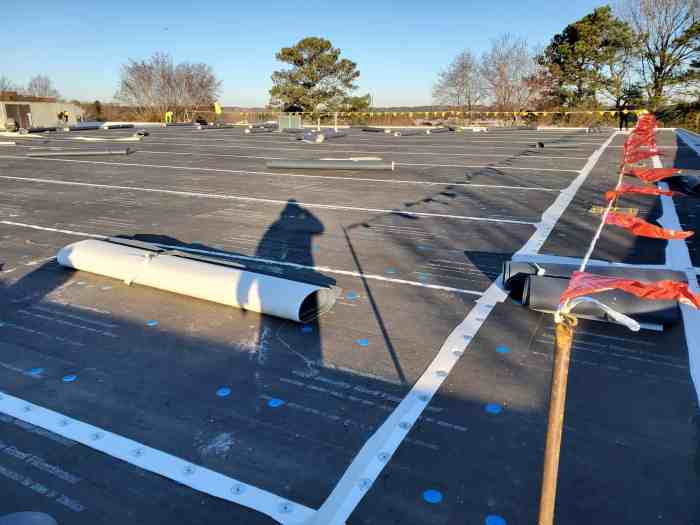
When it comes to securing financing for industrial roof installation projects, there are several key strategies that can help improve your chances of approval. From enhancing your creditworthiness to preparing a detailed project plan, taking the right steps can make a significant difference in your financing application process.
Improving Creditworthiness for Financing
- Regularly check your credit report and work on improving your credit score by making timely payments and reducing outstanding debts.
- Minimize new credit applications and avoid maxing out your existing credit lines to demonstrate financial responsibility.
- Consider adding a co-signer with a strong credit history to boost your chances of approval.
Checklist of Required Documents
- Proof of income and financial statements to showcase your ability to repay the loan.
- Documentation of the industrial roof installation project, including estimates, contractor details, and project timelines.
- Personal identification documents such as driver's license, passport, or social security number.
Importance of a Detailed Project Plan
Having a comprehensive project plan that Artikels the scope of work, materials needed, and estimated costs can instill confidence in lenders regarding the feasibility of your industrial roof installation project.
By presenting a well-thought-out plan, you demonstrate preparedness and commitment, which can significantly impact the lender's decision to approve your financing request.
Outcome Summary
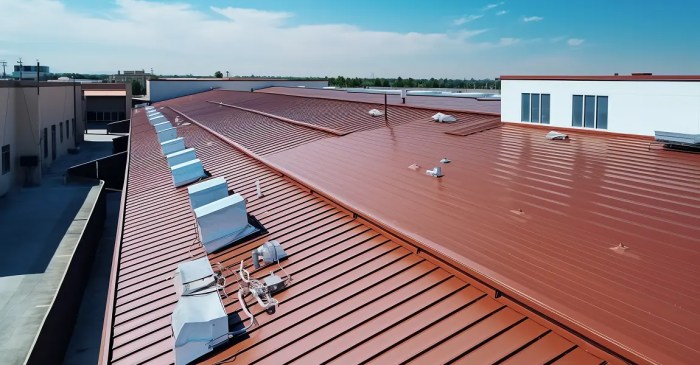
As we draw the curtains on our exploration of industrial roof installation financing, remember that securing the right financing is crucial for the success of your project. By understanding the various factors, types of financing sources, and tips for securing funding, you are well-equipped to make informed decisions that pave the way for a sturdy and reliable industrial roof.
Common Queries
What are the key benefits of industrial roof installation financing?
Industrial roof installation financing offers businesses the flexibility to invest in essential infrastructure without depleting their capital reserves. It also allows for predictable budgeting with fixed monthly payments.
How does credit score impact financing for industrial roof installation?
Credit score plays a significant role in securing favorable financing terms. A higher credit score often leads to lower interest rates and better loan options.
Can government grants be used as a financing source for industrial roof projects?
Yes, government grants can be a valuable source of financing for industrial roof installations. They provide an opportunity to offset costs and promote sustainable roofing practices.