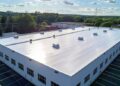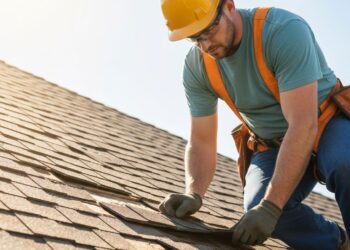

Commercial roof installation contractors play a crucial role in ensuring the durability and longevity of commercial buildings. From selecting the right roofing materials to executing the installation process flawlessly, these professionals are essential for maintaining a secure and reliable roof over your business.
This guide dives deep into the world of commercial roof installation contractors, shedding light on the key aspects that every property owner should be aware of.
Types of Commercial Roofing Materials
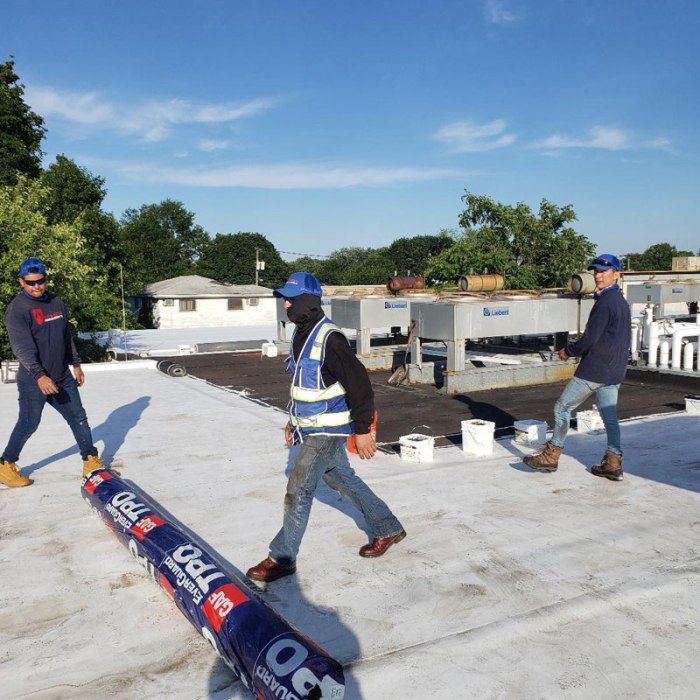
When it comes to commercial roofing, there are various materials to choose from based on specific needs and requirements. Each material has its own set of advantages and drawbacks, making it essential to consider factors like durability, cost-effectiveness, and maintenance.
1. Built-Up Roofing (BUR)
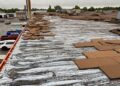
Built-Up Roofing, commonly known as BUR, consists of multiple layers of bitumen and reinforcing fabrics that create a durable and weather-resistant surface. While BUR is cost-effective and provides excellent waterproofing, it can be heavy and require regular maintenance.
2. Metal Roofing
Metal roofing is a popular choice for commercial buildings due to its longevity and energy efficiency. It is lightweight, fire-resistant, and requires minimal maintenance. However, the initial cost of metal roofing can be higher compared to other materials.
3. Single-Ply Membrane Roofing
Single-Ply Membrane Roofing is another common choice for commercial roofs, offering flexibility and ease of installation. It provides excellent UV protection and is resistant to chemicals and punctures. However, single-ply membranes may be susceptible to tears and require proper installation for optimal performance.
4. Modified Bitumen Roofing
Modified Bitumen Roofing combines the durability of BUR with the ease of installation of single-ply membranes. It is ideal for flat or low-sloped roofs and offers good flexibility and impact resistance. However, proper installation is crucial to prevent leaks and ensure longevity.
5. Green Roofing
Green Roofing involves the installation of vegetation and plants on the roof surface, providing insulation, reducing energy costs, and improving air quality. While green roofing is environmentally friendly and aesthetically pleasing, it requires regular maintenance and can be costly to install.
6. Asphalt Shingles
Asphalt Shingles are a popular choice for commercial roofing due to their affordability and ease of installation. They come in various styles and colors, offering versatility and curb appeal. However, asphalt shingles may not be as durable as other materials and can be prone to damage in extreme weather conditions.
Steps in Commercial Roof Installation
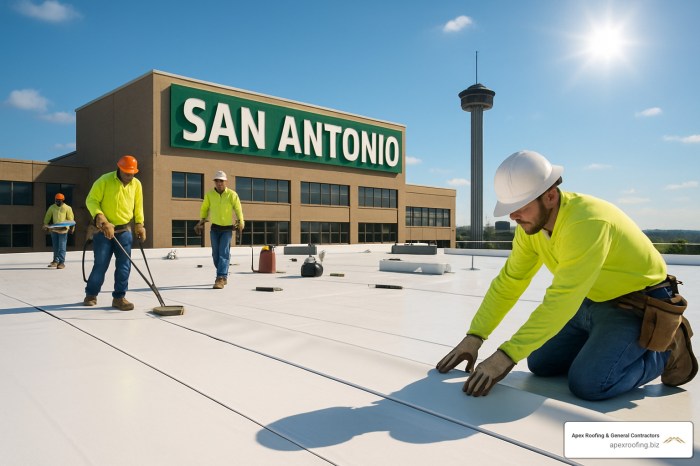
Installing a commercial roof is a complex process that requires careful planning and execution to ensure the longevity and durability of the structure. Each step plays a crucial role in the overall success of the project.
1. Roof Inspection and Assessment
Before any installation work begins, a thorough inspection and assessment of the existing roof are conducted. This step helps identify any underlying issues or structural problems that need to be addressed before the new roof can be installed.
2. Planning and Design
Once the inspection is complete, the next step involves planning and designing the new commercial roof. This includes selecting the appropriate materials, determining the layout, and creating a detailed installation plan to ensure everything is executed smoothly.
3. Preparing the Roof Surface
Before the new roof can be installed, the existing surface needs to be prepared accordingly. This may involve removing old roofing materials, repairing any damaged areas, and ensuring the surface is clean and smooth for the installation process.
4. Installation of Roofing Materials
With the surface prepped and ready, the actual installation of the roofing materials can begin. This step involves carefully laying out the materials according to the design plan, ensuring proper alignment, and securely fastening everything in place.
5. Quality Assurance and Inspection
After the installation is complete, a thorough quality assurance and inspection process is carried out to ensure everything meets the required standards. This step helps identify any potential issues or areas that may need further attention before the project is considered complete.
6. Maintenance and Follow-Up
Once the commercial roof is successfully installed, it is essential to establish a maintenance plan to keep the roof in optimal condition. Regular inspections and maintenance work can help prolong the lifespan of the roof and prevent any potential issues from arising in the future.
When looking for commercial roof installation contractors, it is crucial to identify certain qualities that indicate their reliability and professionalism. Here are some essential characteristics to consider: Having the proper certifications and licenses is a crucial aspect when hiring roofing contractors. These documents not only demonstrate the contractor's competence and expertise but also ensure that they comply with industry standards and regulations. It is essential to verify that the contractor holds all the necessary credentials before starting any roofing project. By paying attention to these qualities and following these tips, you can ensure that you hire a reliable and reputable commercial roofing contractor for your next project. Proper maintenance and timely repairs are crucial to extending the lifespan of commercial roofs and ensuring the safety of the building and its occupants. Regular upkeep can prevent costly damages and potential hazards, making it a smart investment for any business owner. Regular maintenance practices can help prolong the lifespan of commercial roofs and identify potential issues before they escalate. Some common maintenance tasks include: Regular inspections and timely repairs are essential for commercial roofs to identify and address issues promptly. Ignoring small problems can lead to more significant damage and costly repairs down the line. By conducting regular inspections and repairs, business owners can ensure the structural integrity of their roofs and prevent potential safety hazards. When addressing common issues with commercial roofs, it is essential to follow best practices to prevent costly repairs. Some best practices include: In conclusion, choosing the right commercial roof installation contractors is a critical decision that can impact the safety and functionality of your commercial property. By understanding the different materials, installation steps, qualities to look for in contractors, and maintenance considerations discussed in this guide, you are better equipped to make informed choices for your roofing needs. Trustworthy contractors are the cornerstone of a successful roofing project, ensuring that your investment is well-protected and your business operations remain uninterrupted. What are the most common types of materials used for commercial roofs? Common materials include EPDM, TPO, PVC, metal, and modified bitumen, each offering unique benefits and considerations for commercial properties. How can I assess the reliability of a commercial roof installation contractor? Look for certifications, licenses, customer reviews, and examples of past work to gauge the reputation and reliability of a contractor. Why is regular maintenance important for commercial roofs? Regular maintenance helps identify issues early, prolongs the lifespan of the roof, and prevents costly repairs down the line. Importance of Certifications and Licenses
Tips for Assessing Reputation and Reliability
Maintenance and Repair Considerations for Commercial Roofs
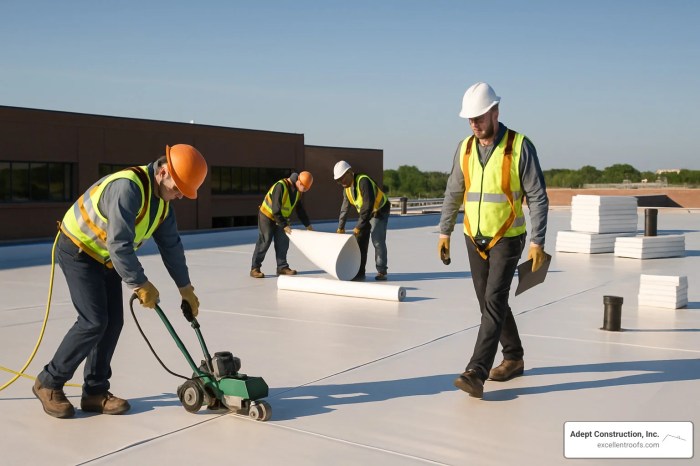
Common Maintenance Practices for Commercial Roofs
Significance of Regular Inspections and Repairs
Best Practices for Addressing Common Issues
Final Thoughts
Top FAQs