
Delving into the realm of commercial roofing maintenance pricing, this guide offers a detailed exploration of the key factors and strategies that influence pricing in the industry. From cost analysis components to pricing strategies, this narrative aims to provide valuable insights for both businesses and consumers alike.
Overview of Commercial Roofing Maintenance Pricing
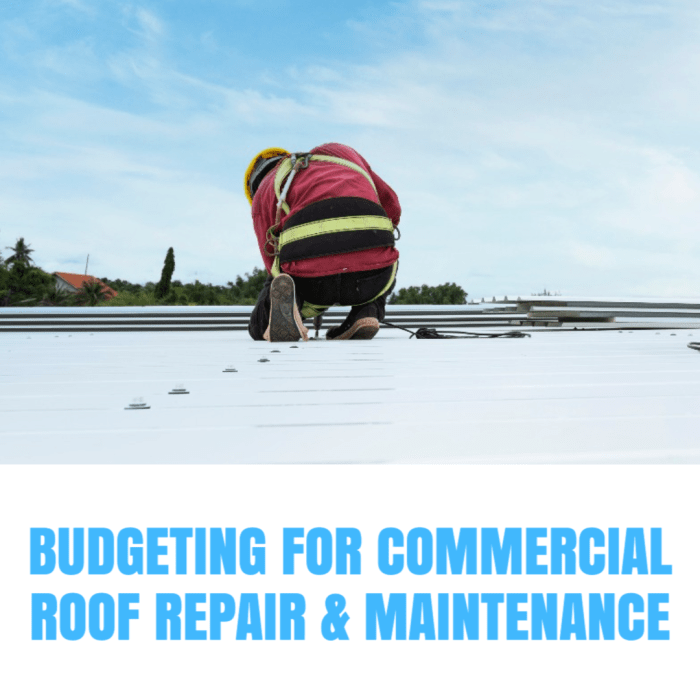
When it comes to commercial roofing maintenance pricing, there are several factors that can influence the costs involved. These factors can vary depending on the size of the building, the type of roofing material used, the extent of the maintenance required, and the location of the property.
Factors Influencing Pricing
- The size of the building: Larger buildings typically require more materials and labor to maintain, leading to higher costs.
- Type of roofing material: Different roofing materials have varying costs for maintenance and repairs.
- Extent of maintenance required: Regular maintenance may be less expensive than addressing larger issues that have been neglected.
- Location of the property: Labor costs and material availability can vary depending on the region where the building is located.
Pricing Structures
Commercial roofing maintenance pricing structures can vary among companies, but they generally fall into a few common models. Some companies may charge a flat fee for regular maintenance visits, while others may offer pricing based on the square footage of the roof.
There are also companies that provide customized pricing based on the specific needs of the building.
Comparison of Pricing Models
- Flat Fee: Some companies charge a set amount for each maintenance visit, regardless of the size or condition of the roof.
- Square Footage: Other companies base their pricing on the square footage of the roof, with larger roofs costing more to maintain.
- Customized Pricing: Certain companies offer customized pricing based on factors such as the age of the roof, previous maintenance history, and specific maintenance requirements.
Cost Analysis Components
When it comes to commercial roofing maintenance pricing, there are several key components that contribute to the overall cost. Understanding how materials, labor, overhead, and profit margins impact pricing can help you make informed decisions when it comes to maintaining your commercial roof.
Let's break down these components and explore how they affect pricing.
Materials
Materials play a significant role in determining the cost of commercial roofing maintenance. The type of materials used, their quality, and availability can all impact pricing. For example, high-quality materials such as premium shingles or metal roofing will come at a higher cost compared to basic asphalt shingles.
Additionally, specialized materials for specific repair types, such as waterproofing membranes or coatings, can also influence pricing.
Labor
Labor costs are another crucial component of commercial roofing maintenance pricing. The skill level of the roofing professionals, the complexity of the repair or maintenance task, and the time required to complete the job all contribute to labor costs. More extensive repairs or maintenance tasks that require specialized skills will naturally come at a higher cost compared to routine maintenance work.
Overhead
Overhead costs, including expenses such as insurance, equipment, and administrative costs, also factor into the pricing of commercial roofing maintenance. These costs are necessary for the roofing company to operate efficiently and safely, and they are typically included in the overall pricing structure.
While overhead costs may not be directly visible to the client, they are essential for ensuring the quality and reliability of the maintenance services provided.
Profit Margins
Profit margins represent the amount of profit that a roofing company aims to make on each maintenance project. Profit margins can vary depending on the company's business model, market competitiveness, and the level of service provided. Higher profit margins may be associated with companies that offer premium services or warranties, while lower profit margins may be seen in more budget-friendly options.
Pricing Strategies
When it comes to commercial roofing maintenance pricing, companies often utilize various strategies to determine the cost of their services
Types of Pricing Strategies
- Flat Rate Pricing: Some commercial roofing maintenance companies may offer flat rate pricing, where a set fee is charged for specific services regardless of the size or complexity of the project. This can provide transparency and predictability for customers.
- Time and Materials: Other companies may charge based on the time spent on the project and the materials used. This pricing strategy can be more flexible and may be better suited for projects with varying requirements.
- Value-Based Pricing: Some companies may determine pricing based on the overall value they provide to the customer, taking into account factors such as quality of work, expertise, and customer satisfaction. This approach focuses on the benefits received by the customer rather than just the cost.
Variations in Pricing Strategies
- The pricing strategy chosen by a commercial roofing maintenance company may vary depending on the specific needs of the customer. For example, a customer with a large commercial property may prefer flat rate pricing for budgeting purposes, while a customer with a smaller property may opt for time and materials pricing for more flexibility.
- Additionally, the scope of work required for a roofing maintenance project can also influence the pricing strategy. Projects that involve complex repairs or specialized materials may be better suited for value-based pricing to reflect the expertise and resources needed.
Importance of Transparency
Maintaining transparency in pricing is crucial for commercial roofing maintenance companies to build trust with their customers. By clearly outlining the pricing structure and any additional fees upfront, companies can establish a level of transparency that fosters positive relationships with customers.
Transparent pricing also helps customers understand the value they are receiving and can prevent misunderstandings or disputes down the line.
Evaluating Maintenance Plans
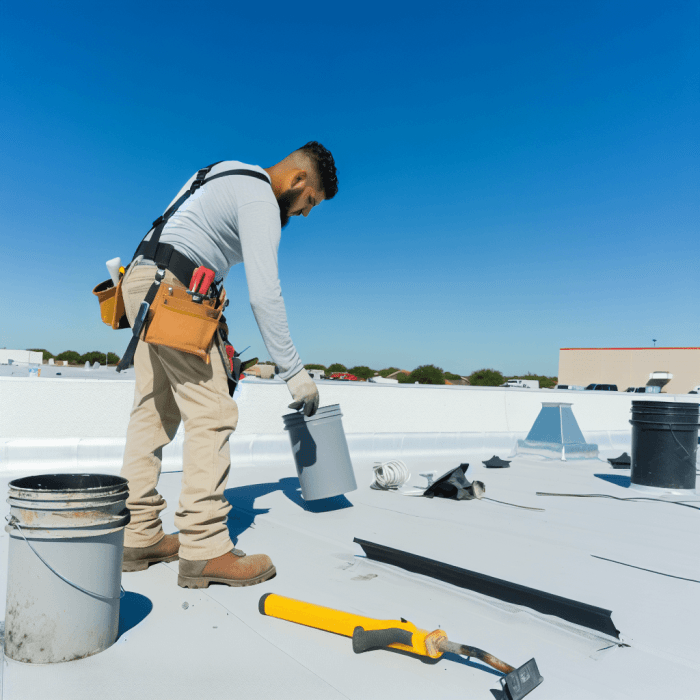
When it comes to evaluating commercial roofing maintenance plans, it's essential to consider a few key factors to ensure you're getting the best value for your investment. By comparing different plans based on pricing, quality, and long-term benefits, you can make an informed decision that meets your specific needs.
Comparing Pricing and Quality
When evaluating maintenance plans, it's crucial to strike a balance between cost and quality. While it may be tempting to opt for the cheapest plan available, it's important to consider the level of service and expertise provided. A higher-priced plan may offer more comprehensive maintenance, leading to fewer unexpected repairs and longer roof lifespan.
Long-Term Agreements Impact
Long-term maintenance agreements can have a significant impact on pricing and overall value. While signing a multi-year contract may lead to lower pricing per visit, it's essential to review the terms carefully. Ensure that the agreement includes regular inspections, preventive maintenance, and emergency repairs to maximize the longevity of your commercial roof.
Closing Notes
In conclusion, understanding the complexities of commercial roofing maintenance pricing is essential for making informed decisions and ensuring the longevity of your roof. By evaluating maintenance plans and considering various pricing structures, you can effectively manage costs while maximizing the value of your investment.
Question & Answer Hub
What factors influence commercial roofing maintenance pricing?
Factors such as materials used, labor costs, overhead expenses, and profit margins play a significant role in determining commercial roofing maintenance pricing.
How do pricing structures typically work in the commercial roofing industry?
Pricing structures in the commercial roofing industry can vary, with some companies offering flat-rate pricing while others may use a tiered pricing model based on the scope of work.
What are some common pricing strategies used by commercial roofing maintenance companies?
Common pricing strategies include competitive pricing, value-based pricing, and cost-plus pricing, each tailored to meet specific customer needs and project requirements.